The Growing Popularity of Veganism
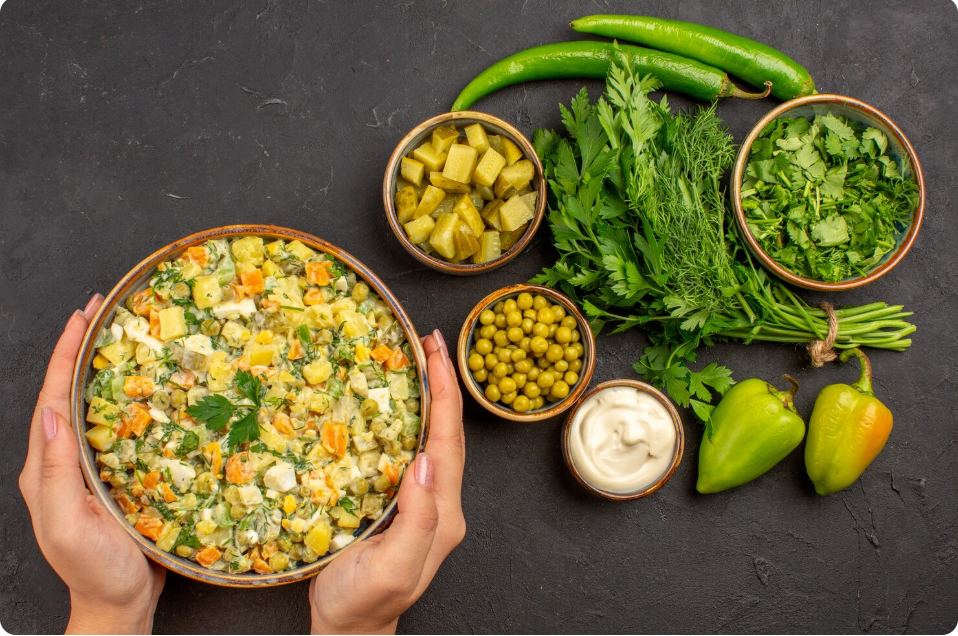
Veganism has rapidly gained popularity around the world, as more people are choosing plant-based diets for health, ethical, and environmental reasons. Vegan food is not just about avoiding animal products; it’s about embracing a lifestyle that celebrates whole, plant-based ingredients that nourish the body and protect the planet. Vegan cuisine is diverse, innovative, and full of flavor, offering everything from hearty meals to decadent desserts, all without the use of dairy, meat, or other animal-derived ingredients.
The Health Benefits of Vegan Food
One of the primary reasons individuals adopt a vegan diet is for its health benefits. A well-balanced vegan diet is rich in essential nutrients such as vitamins, minerals, fiber, and antioxidants, which help improve overall health and prevent chronic diseases. Studies have shown that a plant-based diet can lower the risk of heart disease, diabetes, and certain cancers. Vegan foods are typically lower in saturated fat and cholesterol, making them heart-healthy choices.
By consuming a variety of plant-based foods, such as vegetables, fruits, whole grains, legumes, and nuts, individuals can maintain a healthy weight, improve digestion, and enhance energy levels. Additionally, vegan diets have been associated with lower blood pressure and improved cholesterol levels, leading to better heart health.
Exploring the Diversity of Vegan Cuisine
Vegan food spans the globe, incorporating a rich variety of flavors, textures, and ingredients. The beauty of vegan cuisine lies in its versatility—it embraces everything from fresh vegetables to grains, legumes, nuts, and seeds. Whether you enjoy hearty, comfort food or fresh, light dishes, vegan food offers something for everyone.
In Indian cuisine, vegan options are abundant, as many traditional dishes are naturally plant-based. Chana Masala, a spiced chickpea curry, and Aloo Gobi, a spiced potato and cauliflower curry, are just a few examples of the delicious and satisfying vegan dishes found in India. Lentil Dals are also a popular vegan choice, packed with protein and rich in flavor. Additionally, roti (flatbread) and rice are essential staples that complement many Indian vegan meals.
In Mediterranean cuisine, dishes like Falafel, crispy chickpea patties, and Hummus, a creamy dip made from blended chickpeas, tahini, lemon, and garlic, are enjoyed by vegans around the world. Greek salad, made with fresh vegetables, olives, and a drizzle of olive oil, is another refreshing option. The use of olive oil, fresh herbs, and vegetables makes Mediterranean vegan food both flavorful and nutritious.
Asian Vegan Dishes
In Asia, vegan food is incredibly diverse, with many dishes centered around rice, noodles, tofu, and vegetables. Tofu, a versatile soy-based protein, is often used in vegan dishes to mimic the texture of meat. In Chinese cuisine, Mapo Tofu, a savory and spicy tofu dish, is a popular vegan choice, while Vegetable Stir-Fry is another easy and flavorful meal made with an assortment of vegetables and tofu or tempeh.
Thai cuisine is also rich in vegan options. Pad Thai, typically made with tofu or vegetables, offers a balance of sweet, salty, and spicy flavors, while Thai Green Curry made with coconut milk and vegetables is a comforting, aromatic dish. Vietnamese Spring Rolls, filled with fresh herbs, vegetables, and rice noodles, are light, crunchy, and perfect for a vegan meal or snack.
Delicious Vegan Comfort Food
Vegan comfort food is gaining traction, as more people seek satisfying meals that are both nourishing and indulgent. Vegan burgers, made from lentils, black beans, or chickpeas, provide a hearty meal without the need for animal products. Topped with fresh vegetables, avocado, and vegan cheese, these burgers are as satisfying as their meat counterparts.
Vegan mac and cheese is another popular comfort food, made with cashews, nutritional yeast, and spices to create a creamy, cheesy sauce. Vegan pizza, with a cauliflower or traditional crust, topped with vegetables, dairy-free cheese, and plant-based proteins, is a great option for those craving familiar comfort food without animal products.
Vegan Bowls are also a favorite among health-conscious eaters, with combinations of grains like quinoa, rice, or farro, topped with roasted vegetables, legumes, tofu, or tempeh, and drizzled with creamy tahini or avocado dressing. These nutrient-packed bowls are filling, satisfying, and customizable to suit any taste.
Vegan Desserts: Sweet and Guilt-Free
One of the best things about vegan food is that it doesn’t mean giving up dessert. Vegan desserts are made with plant-based ingredients like coconut milk, almond milk, and nut butters, ensuring that sweets are both indulgent and cruelty-free. Vegan chocolate cake, made with rich cocoa, flaxseed, and plant-based milk, is just as decadent as any non-vegan cake. Coconut milk ice cream, banana bread, and chia pudding are other delicious vegan dessert options that are both creamy and satisfying.
In addition to these, energy balls made from dates, nuts, and seeds provide a quick and healthy sweet snack. Vegan brownies, made without eggs and butter, are a popular treat that are just as moist and fudgy as their traditional counterparts. Whether you prefer something fruity, chocolatey, or nutty, vegan desserts are as varied and delicious as traditional ones.
Essential Vegan Protein Sources
A common concern for people transitioning to a vegan diet is getting enough protein. Fortunately, there are plenty of plant-based sources of protein that can easily be incorporated into vegan meals. Legumes, such as lentils, chickpeas, black beans, and peas, are rich in protein and fiber. Tofu and tempeh, both made from soybeans, are excellent protein-packed alternatives to meat.
Nuts and seeds, such as almonds, sunflower seeds, chia seeds, and hemp seeds, are also good sources of protein and healthy fats. Quinoa is another plant-based protein that is often used in salads, bowls, and as a base for dishes. By incorporating a variety of these protein-rich foods, vegans can easily meet their daily protein needs.
Vegan Food and Sustainability
One of the major reasons people choose veganism is the positive environmental impact it can have. Animal farming contributes significantly to deforestation, greenhouse gas emissions, and water consumption. By opting for a plant-based diet, individuals can reduce their carbon footprint and help protect the environment. Vegan food is often more sustainable, requiring fewer resources to produce compared to animal-based products.
Conclusion: The Future of Vegan Food
Vegan food is not just a trend; it’s a lifestyle choice that offers numerous health benefits, a wide variety of flavors, and an opportunity to make a positive impact on the planet. With its diverse range of dishes, from hearty stews and curries to light salads and decadent desserts, vegan cuisine caters to every palate. As more people embrace plant-based eating, vegan food continues to evolve, with new ingredients and innovative recipes pushing the boundaries of what’s possible. Whether you’re fully vegan or simply looking to reduce your animal product consumption, exploring the world of vegan food is a delicious and rewarding journey.