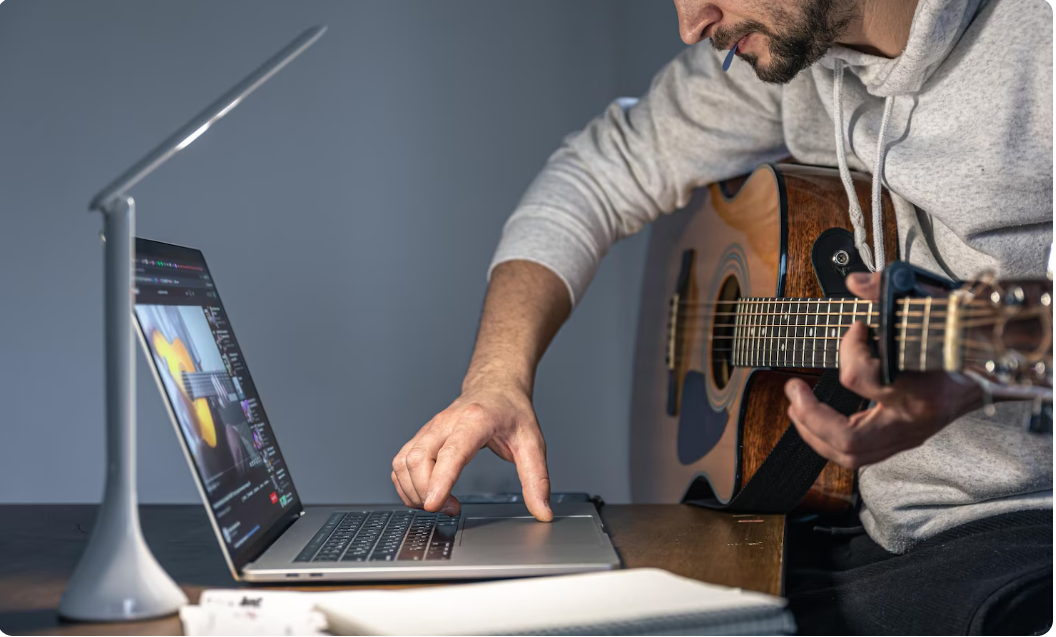
The music industry has undergone a dramatic transformation over the past two decades, driven by technological innovation, changing consumer behavior, and globalization. Traditional methods of music production, distribution, and consumption have evolved, giving rise to new trends that are reshaping the industry. Understanding these trends provides insight into how artists, producers, and audiences interact in the modern music landscape.
The Rise of Streaming Platforms
One of the most significant trends in the music industry is the dominance of streaming platforms. Services like Spotify, Apple Music, YouTube Music, and Amazon Music have replaced physical album sales and digital downloads as the primary mode of consumption. Streaming provides users with instant access to millions of songs, playlists, and podcasts, creating a convenient and personalized listening experience.
For artists, streaming platforms offer both opportunities and challenges. While they enable global reach and exposure to a wide audience, revenue from streaming often depends on large-scale listenership. As a result, artists and labels focus on marketing strategies that boost streams, such as playlist placement, social media promotion, and collaboration with influencers.
Globalization and Cross-Cultural Collaboration
The music industry is increasingly global, with artists collaborating across borders and cultures. Latin, K-pop, Afrobeat, and other international genres have gained mainstream recognition, reaching audiences far beyond their countries of origin. Collaborations between artists from different cultural backgrounds create unique sounds, broaden market reach, and appeal to a diverse audience.
Globalization also allows music to transcend language barriers. Platforms with algorithms that recommend music based on user behavior introduce listeners to international artists, fostering cross-cultural appreciation and influence. This trend has led to a more interconnected global music scene and the rise of multicultural fanbases.
Digital Marketing and Social Media Influence
Social media platforms such as Instagram, TikTok, and Twitter have become crucial for promoting music. Viral challenges, short video clips, and user-generated content often drive a song’s popularity, influencing charts and streaming numbers. TikTok, in particular, has become a powerful tool for breaking new artists and reviving older tracks.
Digital marketing strategies, including targeted advertising, influencer partnerships, and fan engagement campaigns, are increasingly important for success. Artists now interact directly with fans, offering behind-the-scenes content, virtual performances, and exclusive releases to maintain engagement and loyalty.
Technology and Innovation in Music Production
Technological advancements have transformed music production, making it more accessible and creative. Digital audio workstations (DAWs), virtual instruments, and AI-driven tools allow producers and musicians to experiment with sound, create high-quality tracks from home, and collaborate remotely. Innovation in production techniques enables more experimentation, resulting in diverse genres and new musical styles.
Virtual concerts and augmented reality experiences have also emerged, offering immersive ways for fans to engage with music. These innovations not only enhance audience experience but also provide new revenue streams for artists and platforms.
Changes in Revenue Models
Revenue models in the music industry have shifted significantly. Physical album sales and downloads have declined, while streaming royalties, merchandise, live performances, and brand partnerships now constitute primary income sources. Subscription-based models, ad-supported streaming, and licensing deals have become standard approaches for monetization.
Live streaming concerts, virtual events, and exclusive content subscriptions provide alternative revenue channels. Artists increasingly rely on a combination of digital and traditional methods to sustain their careers, reflecting the evolving economic landscape of the industry.
Audience Engagement and Personalization
Modern music trends prioritize audience engagement and personalized experiences. Streaming platforms use algorithms to recommend songs based on listening history, creating a customized music journey. Fans interact with artists through social media, participate in virtual communities, and shape music trends through streaming behavior and content sharing.
This focus on personalization and interactivity strengthens fan loyalty, enhances engagement, and encourages creative approaches to content creation and promotion. Music consumption is no longer passive; audiences actively participate in shaping what becomes popular.
Conclusion
The music industry is evolving rapidly, driven by innovation, globalization, streaming, and digital engagement. These trends highlight the interconnectedness of technology, culture, and consumer behavior, shaping how music is produced, shared, and experienced. Artists, producers, and platforms must adapt to these shifts to remain relevant and successful in a dynamic, globalized market. By embracing technological innovation, cross-cultural collaboration, and audience-centric strategies, the music industry continues to thrive, offering diverse, accessible, and immersive experiences for listeners worldwide.